Position Realty · Buyer and seller
Was This Home Built Before 1978?
Older paint can create lead dust or chips, especially when it is deteriorating or disturbed. Federal law gives buyers of most pre-1978 homes specific information and an opportunity to investigate before becoming obligated to buy.
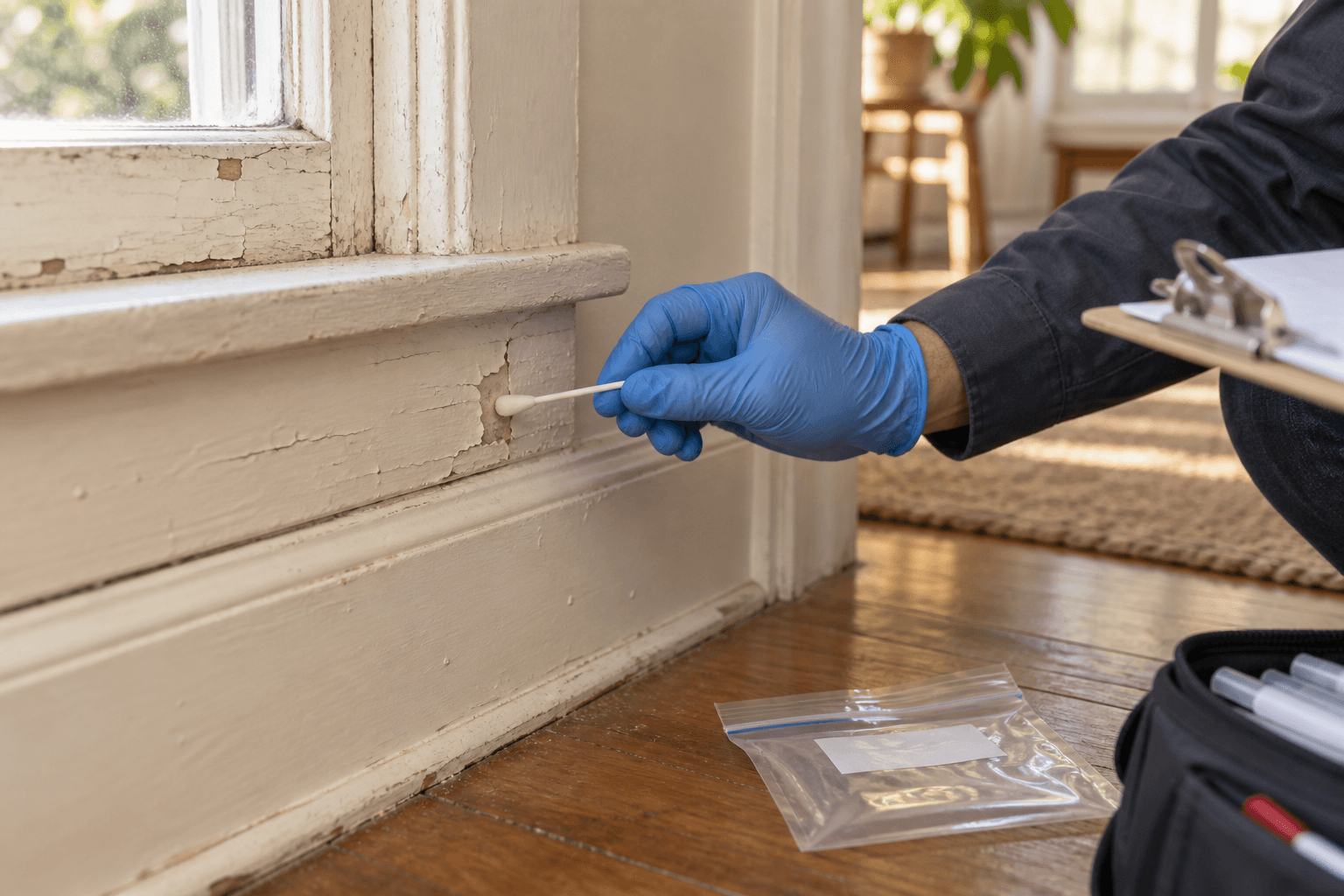
Why does the year 1978 matter?
Lead-based paint was banned for residential consumer use in 1978. Federal disclosure rules therefore apply to most sales of housing built before 1978, with specified exemptions. The older the home, the more likely lead-based paint may be present.
Paint that is intact and left undisturbed is different from peeling paint or dust created by friction, repairs, sanding, or demolition. The purpose of the disclosure is to give you known information and a chance to decide whether to investigate further.
What does the seller have to tell you?
The seller must disclose known lead-based paint and known lead-based paint hazards and provide the available records and reports relating to lead in the home. The seller is reporting what the seller knows and possesses; the disclosure is not a promise that lead is absent.
“No knowledge” does not mean “no lead”
A seller may honestly have no knowledge of lead-based paint because the home was never tested or because old layers are covered by newer paint. If the answer matters to you, the next step is an inspection or risk assessment by an appropriately certified professional—not an assumption based on the seller’s lack of records.
What information should the buyer receive?
The buyer should receive the federally approved lead-hazard information pamphlet, the seller’s completed disclosure, the listed records and reports, and the required Lead Warning Statement in or attached to the contract.
What opportunity does the buyer have to investigate?
The federal rule generally gives the buyer a 10-day opportunity to conduct a lead-based paint inspection or risk assessment before becoming obligated under the purchase contract. The buyer and seller may agree in writing to a different period, and a buyer may waive the opportunity in writing.
A paint inspection identifies whether and where lead-based paint is present. A risk assessment evaluates lead hazards and likely exposure. Ask the professional which service answers the question you actually have.
What if you plan to repair or remodel?
Work that disturbs painted surfaces can create lead dust even when the paint was previously covered or looked stable. Before renovation, ask whether the work is subject to EPA lead-safe requirements and whether the contractor is properly certified for the work.